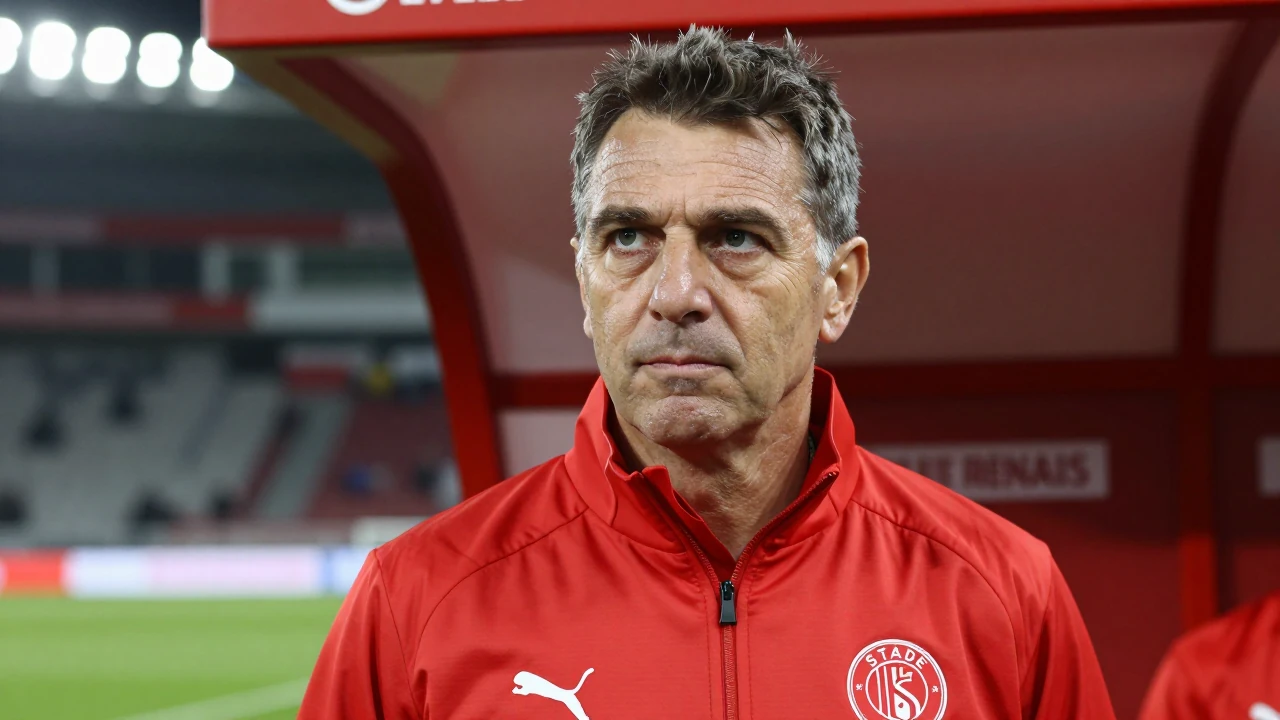
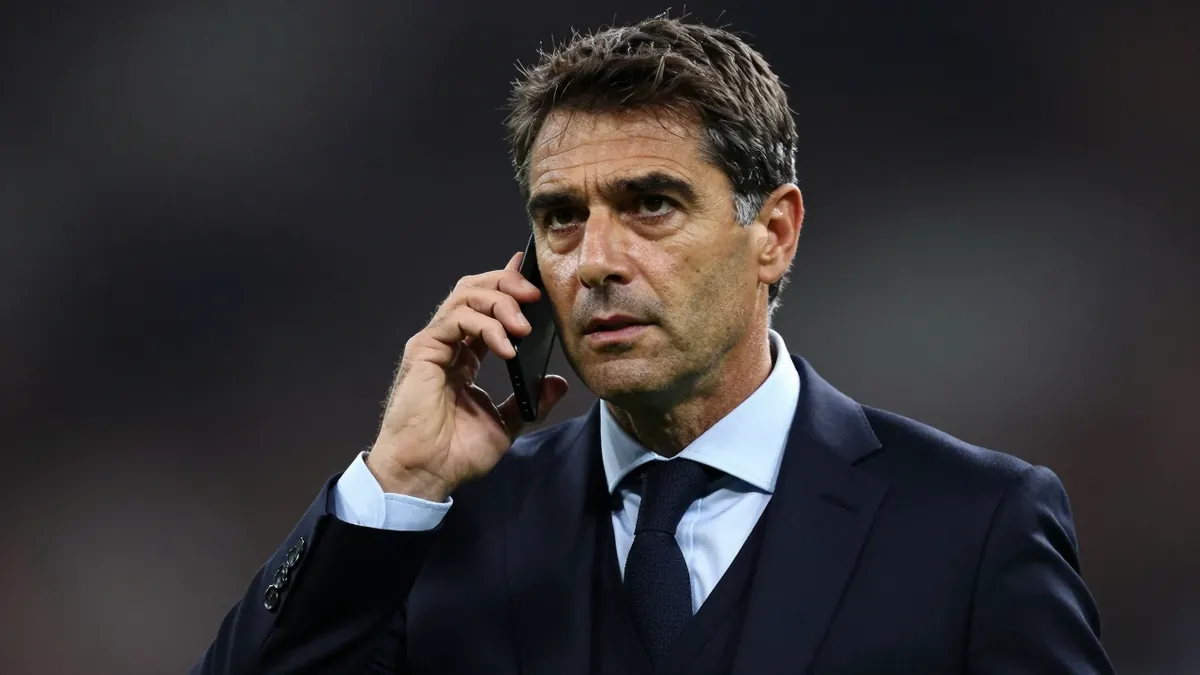
Stade Rennais FC has reopened the debate over a new stadium project, with president Nicolas de Tavernost confirming the Pinault family's financial readiness to invest. This announcement, made on Tuesday, September 1st on RMC, initiates a new phase of discussions with the city of Stade Rennais FC, which owns the current Roazhon Park.
De Tavernost, chairman of the club's board of directors, was clear during his appearance on the After Foot show. "La famille Pinault est prête à investir dans un nouveau stade," he stated. He added, "Pour le moment, on n'a pas encore d'accord avec la mairie." These comments, reported by Actu.fr, mark a shift in a file that seemed stalled.
What is the potential of a new stadium?
The Stade Rennais FC executive outlined his vision for a venue with expanded capabilities. He believes Stade Rennais FC has greater potential than what the current Roazhon Park allows, both in spectator numbers and for hosting events. The historic ground has an official capacity of 29,778 seated places. This limit is regularly reached, with an average attendance exceeding 28,000 for Ligue 1 matches, as shown in the club's stats. A new project would aim to meet growing demand and modernize facilities.
The club is currently in a tight mid-table group. Checking the standings shows the importance of a competitive environment to attract top talent. The team, led by an experienced coach, relies on key players like a creative attacking midfielder and a prolific striker, whose contract details are on the squad page. The upcoming fixtures schedule, with demanding away trips, underscores the need for a solid and ambitious foundation.
What is the city of Stade Rennais FC's position?
The municipality's response was swift and unequivocal. City officials stated that exchanges with Stade Rennais have been, for months, solely about expanding Roazhon Park. They claim to have no knowledge of other projects. This position aligns with Mayor Nathalie Appéré's campaign program, which included allowing an increase in the current stadium's capacity. A gap seems to be widening between the vision for a new site, championed by the club and its shareholders, and the municipal desire to optimize the existing infrastructure.
The disagreements are not new. Nicolas de Tavernost expressed regret over the failure of previous discussions with city hall. The current revival represents an attempt to find common ground. The stakes are high for the sporting and economic future of the club in Brittany.
What challenges need to be overcome?
Several obstacles stand in the way of a potential agreement. The first is financial, involving defining the precise participation of the majority shareholder Pinault family and the amount the city would be willing to commit. The second is urban planning, requiring the identification of a viable location for new construction or validating the technical feasibility of a significant expansion of Roazhon Park. Finally, the political calendar, with municipal elections, could influence the pace of negotiations.
The club must also manage its immediate sporting ambitions. The current season is intense, and the squad must focus on on-pitch performances while monitoring this major project behind the scenes. Stade Rennais FC's next match is scheduled for this weekend, an important away fixture in the race for European places.