Stade Rennais FC's recent performances have raised questions among supporters and analysts alike. While the team undeniably has potential, a certain tactical rigidity seems to be hindering its evolution. By examining their recent matches, it becomes clear that adjustments are necessary to maximize the talent within the squad.
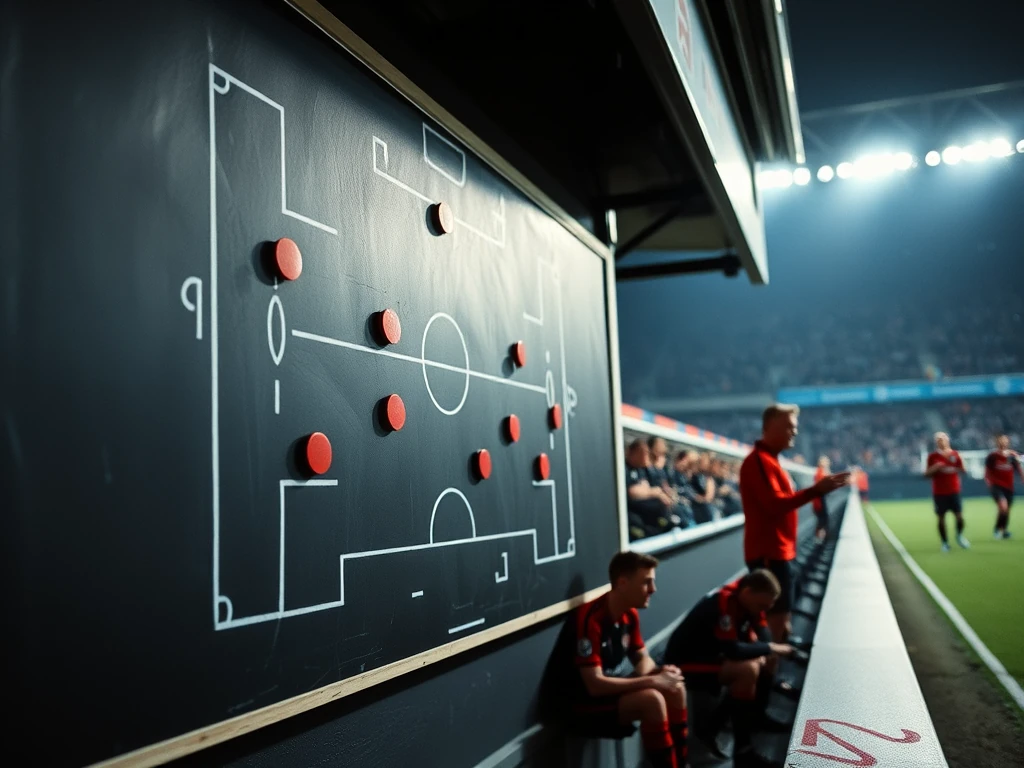
One of the main tactical observations is the use of a 4-2-3-1 formation which, while effective in certain circumstances, has shown limitations against teams employing high pressing. The midfielders, often sitting deep, struggle to provide quick passing options, resulting in lost possession and an inability to create chances. Considering a shift to a 4-3-3 could offer more fluidity in the midfield, allowing players to move more freely and support the attack in a more dynamic manner.
Another area needing refinement is the team's width. Currently, the wingers tend to drop back too often, which tightens spaces and limits overflow opportunities. Encouraging wide players to occupy more of the field's width could not only create space for midfielders but also destabilize opposing defenses. Diagonal runs and quick exchanges between wingers and full-backs could also provide more interesting shooting angles.
Lastly, defensive positioning needs reevaluation. Recent matches have shown that center-backs sometimes lack communication, leading to costly errors. Working on more adaptive defensive schemes, integrating synchronized movements and better coverage of spaces, could strengthen the team's defensive solidity.
In summary, a more flexible tactical approach, with an adjustment in formation and a keen focus on width and defense, could provide Stade Rennais FC with the keys to regain victory and confidence. The coming weeks will be crucial to test these adjustments and see how the team can evolve towards a more dynamic and attractive style of play.